Skin and Allergy Season: How to Calm Inflamed Skin (5 Tips)
Skin and allergy season triggers inflammation as histamines cause redness, itching, and sensitivity. High pollen counts disrupt the skin barrier, leading to flare-ups of rosacea, eczema, and acne. Managing this requires a combination of soothing professional treatments, barrier-repairing topicals, and minimizing environmental exposure to allergens.
For residents in the DC, VA, and MD areas, the shift into spring often brings more than just blooming flowers. It signals the beginning of the "pollen vortex," a time when environmental allergens are at their peak. While most people associate allergies with sneezing and itchy eyes, the impact on your skin is just as significant. If you find your complexion suddenly becoming reactive, red, or breakout-prone, you are likely experiencing the dermatological side effects of the season. To address these concerns effectively, many patients start with Consultations to identify whether their flare-ups are allergic in nature or related to other underlying conditions.

Why does allergy season make my skin flare up?
The primary culprit behind seasonal skin issues is histamine. When your body detects an allergen—such as tree pollen, grass, or mold—your immune system overreacts. Mast cells in your tissues release histamines to fight off the perceived threat. While histamines are meant to protect you, they also cause blood vessels to dilate and inflammation to skyrocket. On the skin, this manifests as vasodilation, which leads to the characteristic flushing and heat associated with Redness & Rosacea .
Furthermore, pollen is a physical particulate. These tiny grains can land on your skin and become trapped in your pores or within the cracks of a compromised skin barrier. For those with dry or sensitive skin, the barrier is already weak, allowing these allergens to penetrate deeper into the epidermis. This triggers a secondary inflammatory response known as contact dermatitis. The result is often a cycle of itching, scratching, and further barrier damage, making the skin even more susceptible to the environment. Understanding this biological process is the first step in regaining control over your complexion during these challenging months.
What are the most common skin reactions during allergy season?
During peak skin and allergy season, patients typically report a variety of symptoms that can range from mild annoyance to significant discomfort. The most frequent reactions include:
- Allergic Contact Dermatitis: Red, itchy rashes that appear where pollen or environmental dust has settled on the skin.
- Urticaria (Hives): Raised, itchy welts that can appear suddenly as a systemic response to allergens.
- Periorbital Edema: Swelling and puffiness around the eyes, often accompanied by dark circles known as "allergic shiners."
- Heightened Sensitivity: Products that normally work well for you may suddenly cause stinging or burning sensations.
- Eczema Flare-ups: Those with a history of atopic dermatitis often see a significant worsening of dry, scaly patches.
These symptoms are often exacerbated by the fluctuating temperatures seen in the Virginia and Maryland regions. One day may be cool and damp, while the next is warm and windy, which further stresses the skin's ability to maintain moisture. If you are noticing these signs, it is essential to simplify your routine and seek professional help. At The SPA , we specialize in identifying these seasonal shifts and adjusting your treatment plan to provide immediate relief and long-term protection.
Best professional treatments for allergy-prone skin
When your skin is in a state of high inflammation, home care may not be enough. Professional interventions can help calm the inflammatory cascade and physically remove allergens from the skin surface.
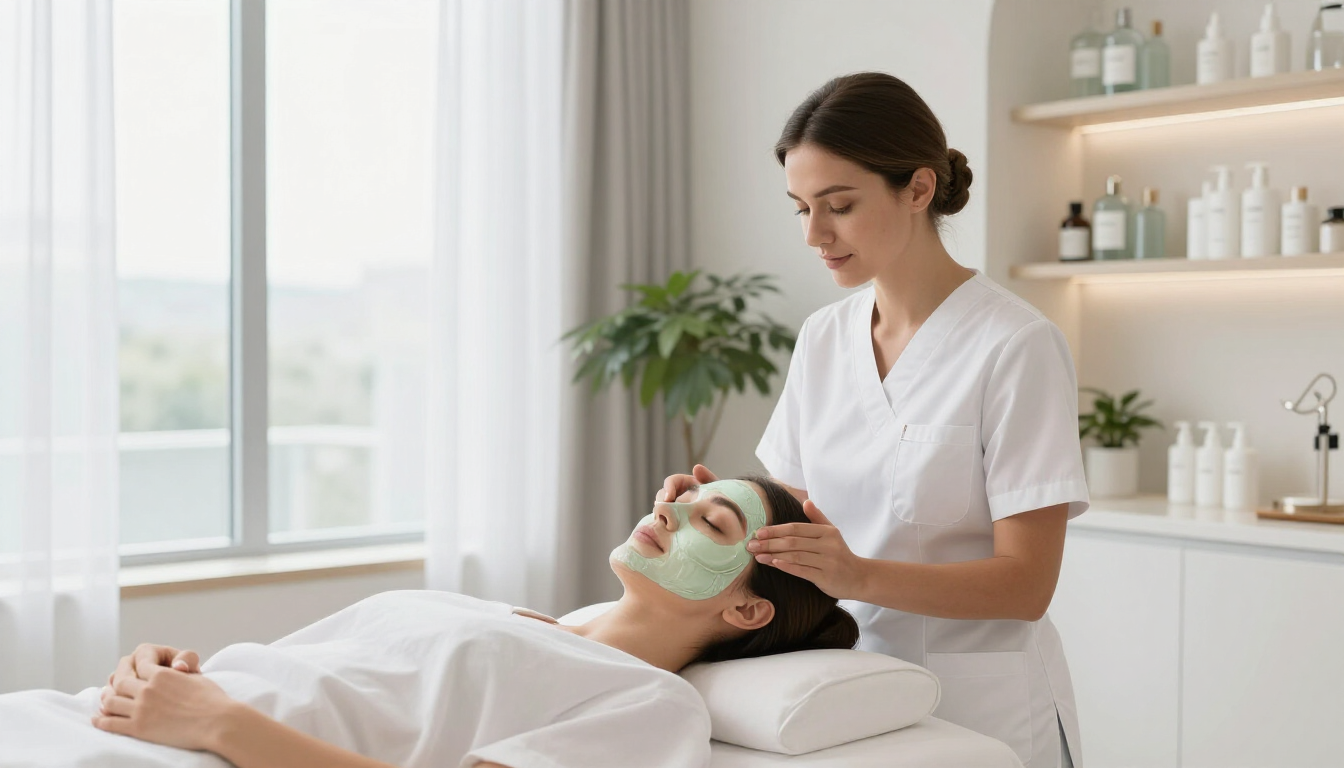
One of the most effective ways to combat seasonal inflammation is through Facials . Specifically, our 90-minute custom Yonka facials are designed to provide deep hydration while utilizing botanicals that soothe the skin. These treatments focus on manual lymph drainage and the application of oxygenating sprays that help the skin breathe and recover from environmental stress. By professionally cleansing the skin, we ensure that every microscopic pollen grain is removed, preventing further irritation.
For those dealing with more persistent texture issues or dullness caused by the season, gentle Chemical Peels can be a game-changer. While it might seem counterintuitive to use a peel on sensitive skin, certain formulations—such as lactic acid or mandelic acid—actually help to hydrate the skin and strengthen the lipid barrier. These "no-downtime" peels remove the surface layer of dead skin cells that may be trapping allergens, allowing for better penetration of soothing serums.
How can medical-grade skincare protect my skin?
Transitioning your skincare routine during allergy season is vital. Over-the-counter products often contain fragrances and preservatives that can further irritate inflamed skin. Switching to medical-grade options ensures you are using high-purity ingredients that are scientifically proven to repair the skin barrier.
Brands like ZO Skin Health offer specific protocols for sensitive and red skin. Their Rozatrol® formula is a favorite during allergy season as it helps to minimize the appearance of redness and provides mild exfoliation to keep pores clear of environmental pollutants. Similarly, Revision Skincare provides advanced antioxidant support. Vitamin C and lipid-replenishing creams can create a "shield" on the skin, making it harder for pollen to cause damage.
We also frequently recommend Epionce products for allergy sufferers. Epionce is renowned for its focus on barrier repair and anti-inflammatory botanicals. Their Renewal Facial Cream helps to block the inflammatory factors that lead to skin aging and sensitivity. By incorporating these products into your daily regimen, you are not just treating the symptoms; you are building a more resilient skin structure that can withstand the rigors of the season.
In addition to topical products, long-term skin health can be improved through Microneedling . While you shouldn't perform microneedling during an active, weeping allergy flare-up, doing these treatments during the "off-season" or during mild periods helps to thicken the dermis. A thicker, healthier dermis is inherently more resistant to external irritants. For patients in the DC metro area, combining professional treatments with a rigorous medical-grade home care routine is the gold standard for maintaining a clear, glowing complexion year-round.
Daily habits to reduce skin inflammation
Beyond professional treatments, your daily habits play a significant role in how your skin fares during allergy season. Small changes in your routine can lead to a drastic reduction in redness and irritation. Consider the following adjustments to protect your complexion:
- Cleanse Immediately: After spending time outdoors, wash your face and hair to remove pollen before it can migrate to your pillowcase.
- Cold Compresses: Use a cool, damp cloth to soothe itchy skin and reduce the vasodilation that causes redness.
- Avoid Fragrance: Switch to fragrance-free cleansers and moisturizers to minimize the risk of additional chemical irritation.
- Hydrate Internally: Drink plenty of water to support the skin's natural detoxification processes and maintain cellular hydration.
- Consult the Experts: Schedule seasonal Consultations to have your skin analyzed by professionals who understand the local climate impact.
Managing skin and allergy season requires a proactive and holistic approach. By understanding that your skin's health is intrinsically linked to your body's immune response, you can take the necessary steps to protect your barrier and reduce inflammation. Whether it is through a soothing facial, a targeted chemical peel, or a revised home care routine, there are numerous ways to keep your skin calm and clear.
Core Takeaways for Allergy Season Skin Care:
- Histamine release is the primary driver of seasonal redness and sensitivity.
- Professional facials and gentle peels help remove allergens and soothe the skin barrier.
- Medical-grade skincare like ZO Skin Health and Epionce provide superior protection compared to retail brands.
- Daily habits, such as cleansing after outdoor activity, are essential for minimizing exposure.
If you are struggling with inflamed, reactive skin this season, do not wait for the symptoms to resolve on their own. Our team of experts in the DC, VA, and MD area is ready to help you navigate the challenges of skin and allergy season with personalized care and advanced clinical treatments. Contact us today to start your journey back to a calm, comfortable complexion.